
If you’ve ever sat in front of a truly great high-end audio system and felt as though the front wall of your room dissolved—replaced by a vast, layered acoustic landscape—you’ve experienced an immersive soundstage.
A realistic, three-dimensional soundstage is one of the defining qualities of high-end loudspeakers and well-matched electronics. Instead of hearing sound “from the speakers,” you perceive:
But here’s the truth: you need a revealing, properly set up audio system to reproduce this effect. Room acoustics, speaker placement and toe-in, amplifier control, source quality, and recording engineering all play critical roles. When everything aligns, certain recordings can create an almost holographic presentation—voices floating in space, instruments layered front to back, and ambient cues that transport you into the venue.
Over decades, audiophile magazines, mastering engineers, and forum discussions have consistently pointed to specific tracks that showcase extraordinary soundstage reproduction. Below is a curated list of 20 songs—ranging from iconic to eccentric—that are widely praised for their immersive, three-dimensional presentation.
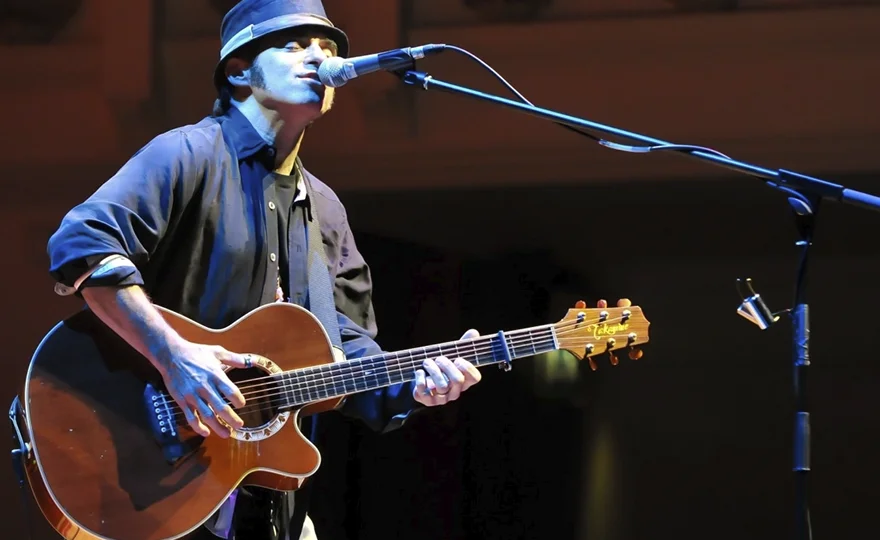
This live acoustic recording is legendary in audiophile circles. The soundstage places Lofgren front and center, with audience applause expanding wide and deep behind him. You can hear the guitar body resonance, the spatial bloom of the venue, and even subtle crowd movements in distinct positions.
Why it stands out: Exceptional microdynamics and ambient decay that create palpable venue depth.
A reference-standard track for imaging. The upright bass sits slightly right of center, the percussion floats delicately, and Pidgeon’s voice appears locked in a stable, three-dimensional center image.
Why it stands out: Pinpoint center imaging and spacious, layered instrumentation.
The slow tempo allows the soundstage to breathe. Electric guitar lines extend with air around them, while drums and bass create depth well behind the speakers.
Why it stands out: Massive lateral width and palpable front-to-back layering.
A minimalist jazz recording that showcases intimate club acoustics. The drum kit feels life-sized, and the upright bass has body and dimensional presence.
Why it stands out: Convincing scale and spatial realism in a small ensemble setting.
Deep, articulate bass anchors the center, while percussion and background vocals extend far beyond the speakers.
Why it stands out: Expansive width combined with powerful low-frequency spatial cues.
The iconic live intro features layered guitars placed distinctly across the stage. Audience ambience surrounds the listener.
Why it stands out: Grand, arena-scale depth with precise instrument separation.
Subtle percussion appears in discrete locations across a vast stage. Silence between notes enhances perceived depth.
Why it stands out: Dramatic spatial contrast and pinpoint imaging.
This atmospheric recording places Askvik’s voice floating ethereally in front of deep, cinematic textures.
Why it stands out: Incredible depth layering and ambient spaciousness.
Audiophiles love this track for its playful, hyper-realistic spatial movement. Sounds bounce across the stage with precise localization.
Why it stands out: 360-degree illusion and startling transient placement.
A powerful live recording with a massive stage. Percussion extends far left and right, while the trumpet projects forward into the room.
Why it stands out: Life-sized imaging and explosive dynamic scale.
The opening clocks chime from different spatial points, creating a dramatic surround illusion even in stereo.
Why it stands out: Spatial effects that extend beyond speaker boundaries.
Layered textures create a wide, enveloping stage with haunting vocal placement.
Why it stands out: Deep atmospheric layering and immersive width.
Buckley’s voice appears suspended between the speakers with cathedral-like depth.
Why it stands out: Emotional intimacy and cavernous spatial cues.
A solo piano recording that fills the room with natural hall reverberation.
Why it stands out: Stunning vertical scale and authentic concert hall decay.
Deep, moody layering and reverb create a long, immersive stage extending behind the speakers.
Why it stands out: Emotional depth matched with sonic depth.
Lush orchestration surrounds Krall’s intimate vocal, each instrument occupying a defined pocket of space.
Why it stands out: Elegant instrument separation and warm spatial bloom.
Her vocal floats slightly forward, while piano and background textures create layered dimensionality.
Why it stands out: Beautiful depth perspective and centered vocal holography.
Bass appears solid and grounded, with banjo and percussion extending laterally.
Why it stands out: Precise instrument placement and rhythmic spaciousness.
Sparse arrangement emphasizes sub-bass depth and wide ambient textures.
Why it stands out: Massive low-frequency spatial cues with haunting openness.
A choral recording frequently cited in audiophile forums. The church acoustic creates soaring height and layered vocal placement.
Why it stands out: Towering vertical dimension and breathtaking natural reverberation.
When evaluating high-end loudspeakers and audio systems, few qualities are as captivating as a truly three-dimensional soundstage. The ability to render width, depth, height, and stable imaging transforms listening from passive entertainment into an immersive experience.
The recordings above have become staples in audiophile communities because they contain rich spatial information, natural ambience, and dynamic contrast—elements that reveal the full potential of a well-set-up system.
If you enjoyed this deep dive into immersive soundstage recordings, we invite you to explore more articles in our News + Reviews section. There you’ll find additional insights on high-end audio, loudspeaker setup, room acoustics, and critical listening techniques to help you get the most out of your music system.
Share this article with your friends!